%2Ffit-in%2F250x250%2Fguide_websites%2F121807%2Fimages%2F1774432609501davidmillerlogo.jpg&w=1200&q=100)
/users/4723460d-1ed8-4bf6-b9a6-41bc046df075/ratecard/6-mn5y0ei9.jpg)
%2F300x300%2Fusers%2F4723460d-1ed8-4bf6-b9a6-41bc046df075%2Fratecard%2F6-mn5y0ei9.jpg&w=256&q=75)
%2F300x300%2Fusers%2F4723460d-1ed8-4bf6-b9a6-41bc046df075%2Fimages%2Fnew-braunfels-bass-fishing-success-2524.jpg&w=256&q=75)
%2F300x300%2Fusers%2F4723460d-1ed8-4bf6-b9a6-41bc046df075%2Fimages%2Fnew-braunfels-bass-catch-2598.jpg&w=256&q=75)
%2F300x300%2Fusers%2F4723460d-1ed8-4bf6-b9a6-41bc046df075%2Fimages%2Fnew-braunfels-bass-fishing-catch-2662.jpg&w=256&q=75)
%2F300x300%2Fusers%2F4723460d-1ed8-4bf6-b9a6-41bc046df075%2Fimages%2Fnew-braunfels-bass-fishing-success-2610.jpg&w=256&q=75)
%2F300x300%2Fusers%2F4723460d-1ed8-4bf6-b9a6-41bc046df075%2Fimages%2Fnew-braunfels-bass-catch-2712.jpg&w=256&q=75)
%2F300x300%2Fusers%2F4723460d-1ed8-4bf6-b9a6-41bc046df075%2Fimages%2Fnew-braunfels-bass-fishing-catch-2657.jpg&w=256&q=75)
%2F300x300%2Fusers%2F4723460d-1ed8-4bf6-b9a6-41bc046df075%2Fimages%2Fbass-catch-new-braunfels-fishing-2643.jpg&w=256&q=75)
%2F300x300%2Fusers%2F4723460d-1ed8-4bf6-b9a6-41bc046df075%2Fimages%2Fchannel-catfish-new-braunfels-catch-2756.jpg&w=256&q=75)
%2F300x300%2Fusers%2F4723460d-1ed8-4bf6-b9a6-41bc046df075%2Fimages%2Fbass-catch-new-braunfels-tx-2759.jpg&w=256&q=75)
%2F300x300%2Fusers%2F4723460d-1ed8-4bf6-b9a6-41bc046df075%2Fimages%2Fbass-fishing-new-braunfels-texas-2675.jpg&w=256&q=75)
Canyon Lake 8 Hour Bass Charter Miller's Bass
 New Braunfels, TX, United States
What you will be catching:
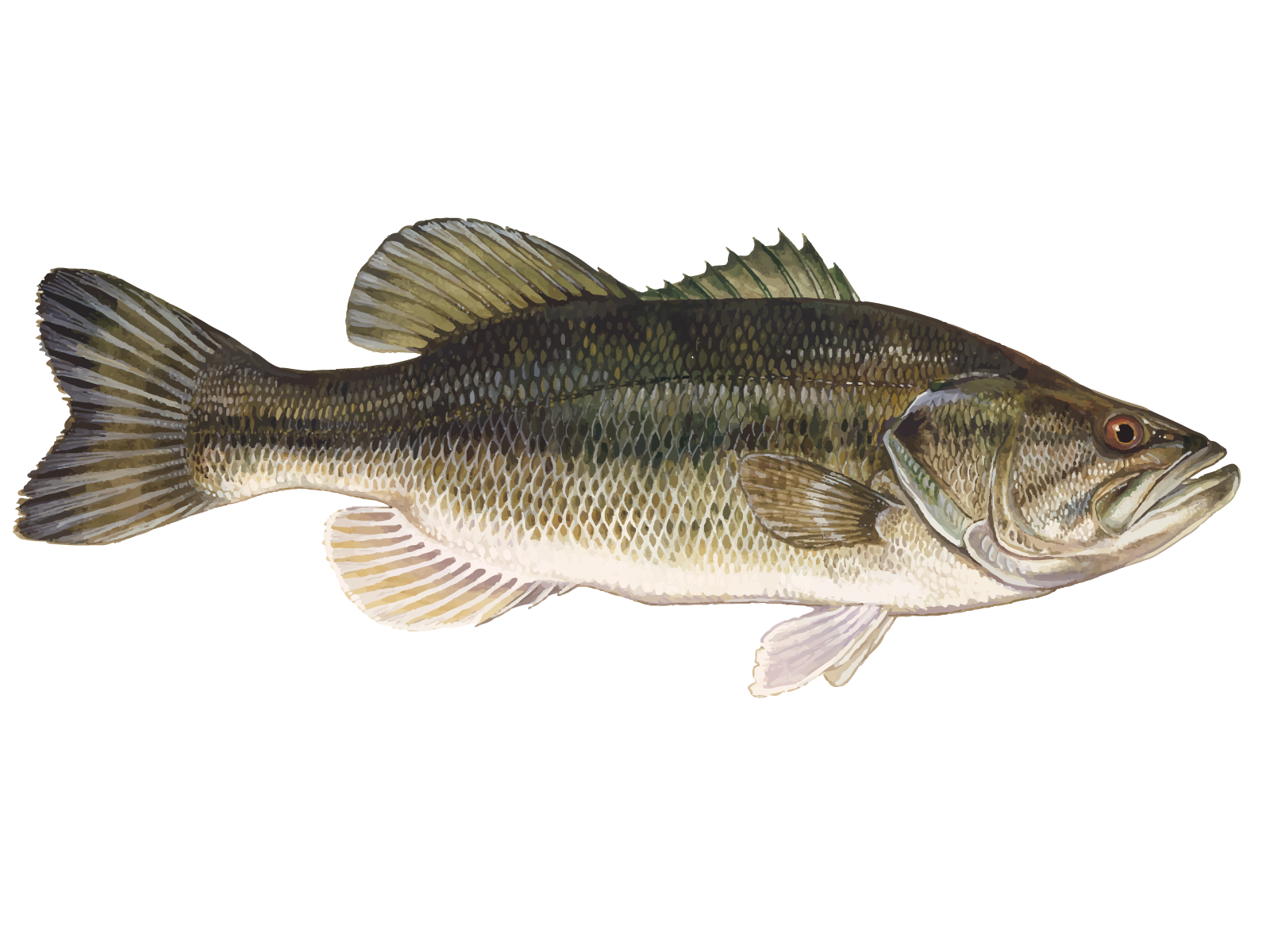 Largemouth Bass
 Smallmouth Bass
 Spotted Bass
- This full-day Canyon Lake bass fishing charter gives you eight solid hours on one of Texas Hill Country's top bass fisheries. Starting at 7 AM, we'll work the lake's prime structure
- rocky points, creek channels, and grass lines
- using light tackle and proven artificial techniques. Whether you're new to bass fishing or looking to dial in your skills, we adapt to current conditions and seasonal patterns to keep you on fish. All gear, tackle, and a cooler with ice are included, plus we'll keep your catch fresh in the live well. Perfect for couples, friends, or anyone wanting serious time on the water without the rush. Just bring your Texas fishing license, snacks, and sun protection for a full day of quality bass fishing.
Trip Pricing and Availabilities:
8 Hour Canyon Lake Bass Fishing Charter
Canyon Lake is hands down one of Texas's best bass fishing destinations, and this full-day charter gives you the perfect opportunity to experience why local anglers keep coming back. Starting at 7:00 AM, you'll have eight solid hours to work the lake's most productive waters with a guide who knows every rocky point, creek channel, and grass bed where bass love to hang out. This is a top-rated fishing experience designed for up to two guests, whether you're brand new to bass fishing or you've been chasing them for years. The early start time puts you right in the sweet spot when bass are most active, and the extended trip length means you won't feel rushed – you can really dial in on the bite and make the most of whatever pattern is working that day.
What to Expect on the Water
Your Canyon Lake adventure kicks off bright and early, giving you access to those prime morning hours when bass are feeding aggressively in shallow water. The beauty of an eight-hour trip is that you can adapt to what the fish are telling you – if the morning bite starts slow, you've got plenty of time to adjust and find where they're holding. Your guide will focus on seasonal patterns and high-percentage areas that consistently produce fish year-round. We're talking about those classic Canyon Lake structures: rocky points that drop into deep water, underwater ledges where bass ambush baitfish, winding creek channels that funnel food, thick grass beds that provide cover, and open water areas where bass suspend and chase schools of shad. All your fishing gear is provided – quality rods, reels, and a full selection of proven artificial lures. You'll also have a cooler with ice to keep your drinks cold and a live well system to keep any bass you want to photograph healthy before release. The relaxed pace means this trip works great for families with kids who want to learn, beginners who need extra time to get comfortable, or experienced anglers who just want more time to perfect their technique.
Light Tackle Artificial Techniques
This charter is all about finesse fishing with light tackle and artificial lures – the most effective and engaging way to target Canyon Lake bass. Your guide will teach you proven techniques like working soft plastics along rocky drops, throwing spinnerbaits around grass lines, and pitching jigs into heavy cover where big bass like to hide. The artificial approach keeps you actively engaged in the fishing, and there's nothing quite like feeling a bass slam your lure when you're working it just right. Canyon Lake's clear water and diverse structure make it perfect for this style of fishing, and the light tackle setup means every fish fights harder and feels bigger. You'll learn to read the water, understand how bass relate to different types of cover, and pick up techniques you can use on any lake. The guide will adjust tactics throughout the day based on conditions – maybe starting shallow with topwater action at sunrise, then moving to deeper structure as the sun gets higher, and potentially finishing strong in the grass beds as evening approaches. It's all about staying flexible and keeping your lure in productive water.
Species You'll Want to Hook
Largemouth Bass are the main attraction here at Canyon Lake, and for good reason. These fish grow fat and healthy in the lake's nutrient-rich waters, with plenty of two to four-pound fish and legitimate chances at bass pushing five pounds or better. Largemouth love the lake's abundant grass beds and rocky cover, and they're aggressive feeders that will absolutely crush a well-presented lure. Spring and fall are peak times when these bass move shallow and feed heavily, but they're catchable year-round if you know where to look. The fight these fish put up in Canyon Lake's clear water is something else – they'll jump, they'll run for cover, and they'll test your drag. What makes largemouth so exciting here is their unpredictability; you might catch one on a deep ledge, then hook into another one in three feet of water five minutes later.
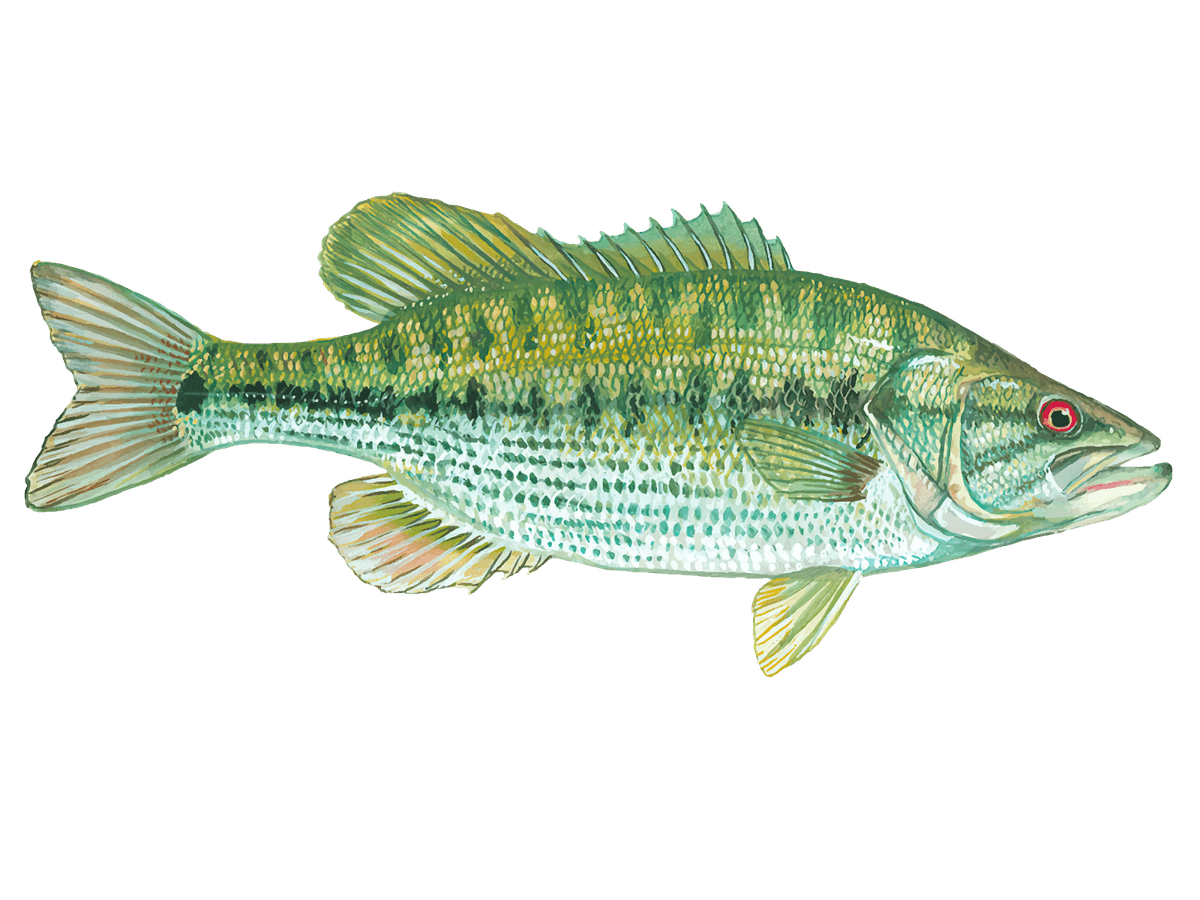
Spotted Bass, or "spots" as locals call them, are Canyon Lake's hidden gems and some of the hardest fighting bass you'll ever tangle with. These fish are typically smaller than largemouth – running one to three pounds mostly – but they make up for size with pure attitude. Spots love the lake's rocky points and creek channels, especially areas with current flow, and they school up in groups that can provide non-stop action once you locate them. They're active year-round but really turn on during the cooler months when other bass might be sluggish. The best part about spots is their willingness to hit lures; they're aggressive and competitive, often following hooked fish right to the boat. Their fight is different too – more violent head shaking and longer runs that'll have you wondering if you hooked something twice their size.
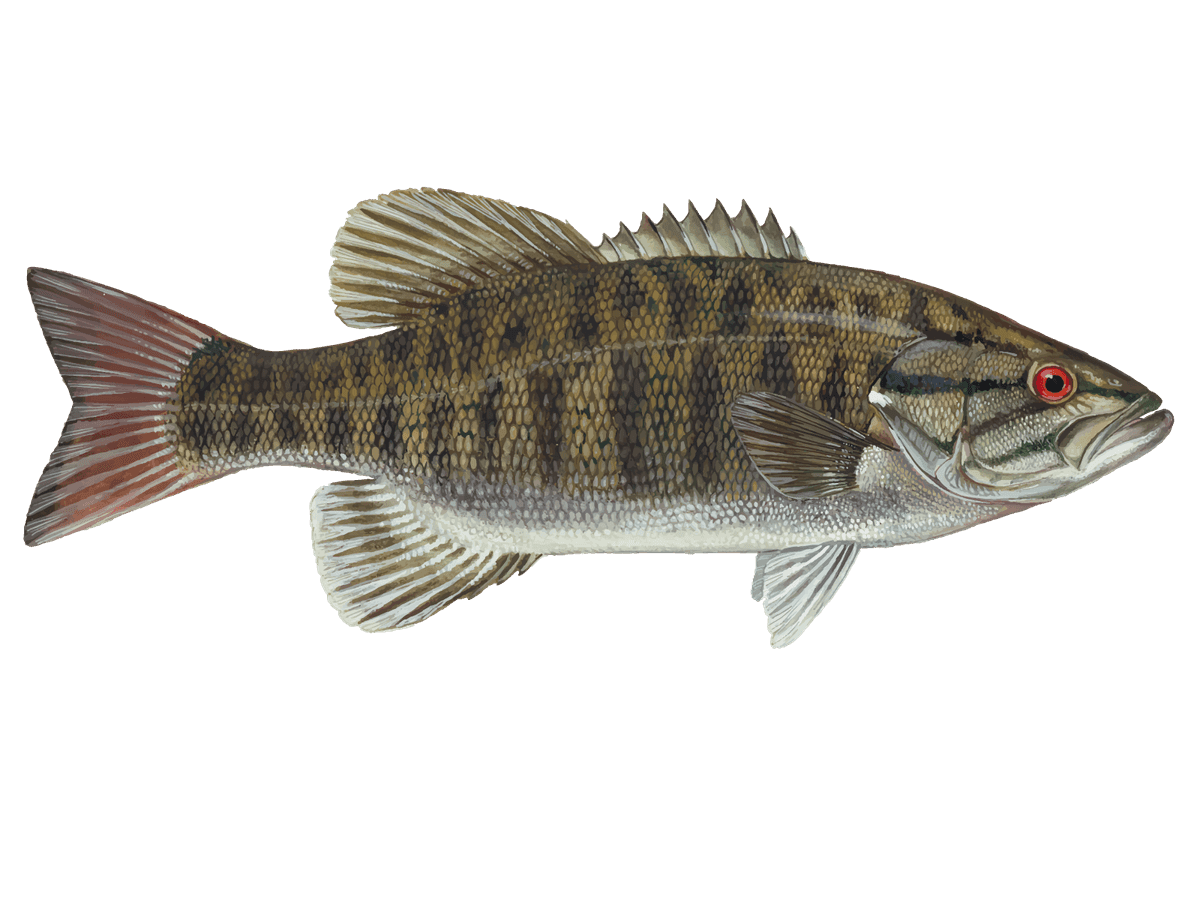
Smallmouth Bass round out Canyon Lake's bass trio, and while they're less common than largemouth or spots, they're absolute dynamite when you connect with one. These bronze-backed fighters prefer the lake's rockiest areas and clearest water, typically holding on main lake points and deep gravel bars. Smallmouth average one to three pounds here but fight like fish twice their size, with spectacular jumps and bulldogging runs that'll put your tackle to the test. They're most active during the cooler months and can be tricky to pattern, but when you find a group of feeding smallmouth, it's game over. They're known as pound-for-pound the strongest bass species, and Canyon Lake's smallmouth live up to that reputation. Finding them requires patience and the right approach, but the payoff is worth it – these fish will give you stories to tell for years.
Time to Book Your Spot
This eight-hour Canyon Lake bass charter delivers exactly what serious anglers are looking for: quality time on proven water with a guide who knows how to put you on fish. The extended trip length means you're not watching the clock, the light tackle approach keeps things exciting, and Canyon Lake's diverse bass population ensures you'll have shots at multiple species throughout the day. Just remember to bring your valid Texas fishing license, pack some snacks and drinks for the day, and don
Learn more about the species
Largemouth Bass
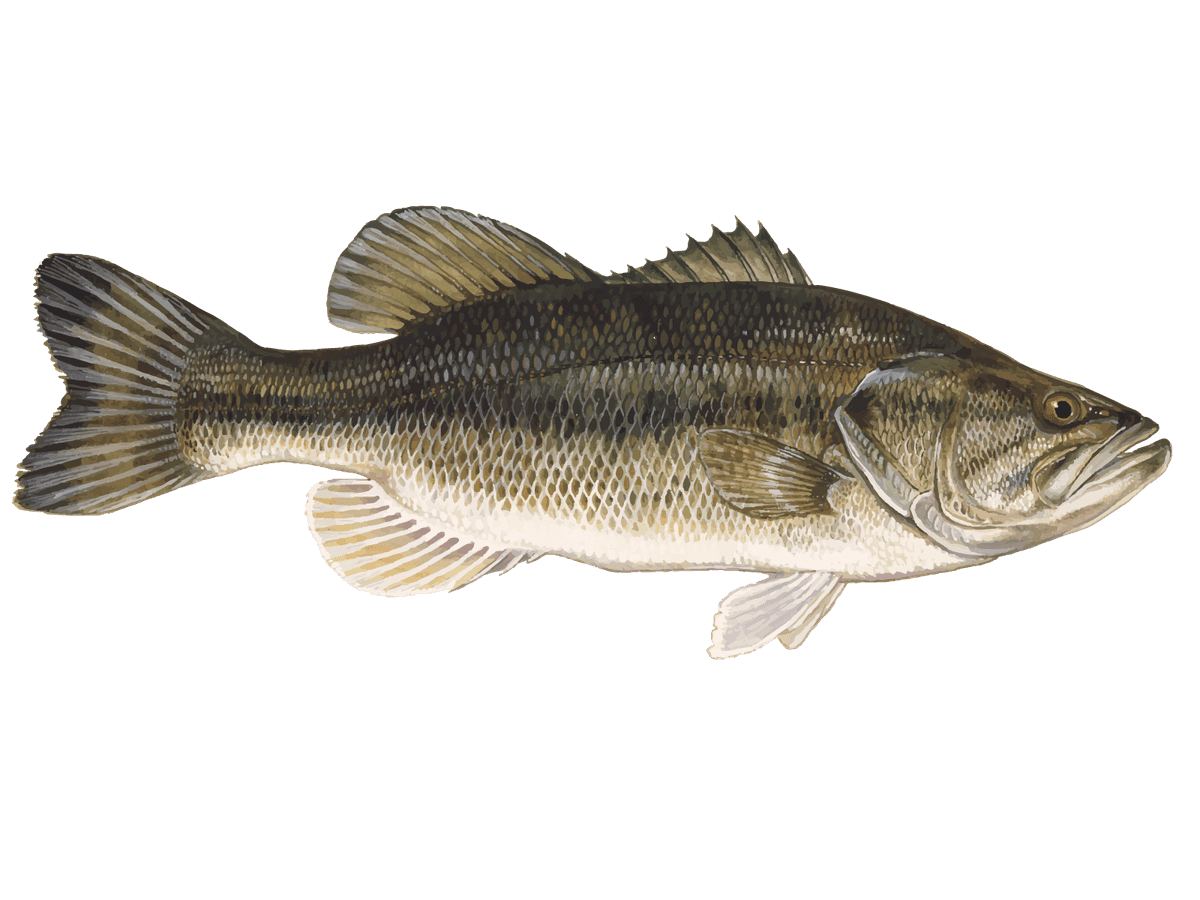
Largemouths are the bread and butter of Canyon Lake, running 12-24 inches and 1-4 pounds on average. These green beauties with dark horizontal stripes love our rocky points, creek channels, and grass beds. They're ambush predators that hide in cover waiting to crush anything that swims by. Spring and fall are prime time when they're shallow and aggressive, but summer finds them deeper around ledges and structure. What makes them special? That legendary fight - they'll jump, run, and give you everything they've got. Plus they're excellent table fare when handled right. Local tip: work those transition zones where rocky points meet grass lines. The bass use these edges as highways, and that's where you'll find the bigger ones feeding.
Smallmouth Bass
Smallmouths are the fighters of Canyon Lake, bronze-colored with those distinctive vertical bars. They typically run 12-18 inches and 2-4 pounds, with females getting bigger. These bass are all about our rocky structure - points, ledges, and boulder fields with clean, hard bottoms. Spring and fall are money times when they're shallow and active, while summer pushes them deeper into 20-40 foot zones. What sets them apart? Pound-for-pound the strongest fish in the lake. They'll bend your rod double and never give up. They're also excellent eating with firm, mild meat. The key to Canyon Lake smallmouths is staying patient with your presentation around vertical structure. They like to suspend and study your bait before committing, so slow down your retrieve and let them make up their minds.
Spotted Bass
Spotted bass are Canyon Lake's scrappy underdogs, averaging smaller than largemouths but packing serious attitude. You'll recognize them by the rows of dark spots along their sides and that connected dorsal fin. They max out around 25 inches but most run 12-18 inches. These fish love our clear water and rocky structure - think steep ledges, boulder piles, and creek channels with hard bottoms. Unlike largemouths, spots school up and prefer structure over cover. Spring through fall they're catchable, but cooler months can be tough since they don't handle low oxygen well. What makes them fun? They fight like smallmouths, diving deep and staying down there. Local trick: when you find one spotted bass, work the area thoroughly. They school together, so where there's one, there's usually more waiting nearby.
About the Skeeter
%2F%2Fusers%2F4723460d-1ed8-4bf6-b9a6-41bc046df075%2Fvehicle_picture%2F595113819_10236239148350493_2289029127473231489_n-mn5r8g5l.jpg&w=1200&q=75)
Vehicle Guest Capacity: 2
Manufacturer Name: Yamaha
Maximum Cruising Speed: 55
Number of Engines: 1
Horsepower per Engine: 150